A new statue to Nelson Mandela was unveiled in Glasgow on the 9th October. Whilst it does mark a fitting artistic tribute to the leader that Glasgow people took to their hearts in the fight against apartheid, it is not just ‘another statue’ but is central to a successful educational initiative and we hope a catalyst for future learning and inspiration.
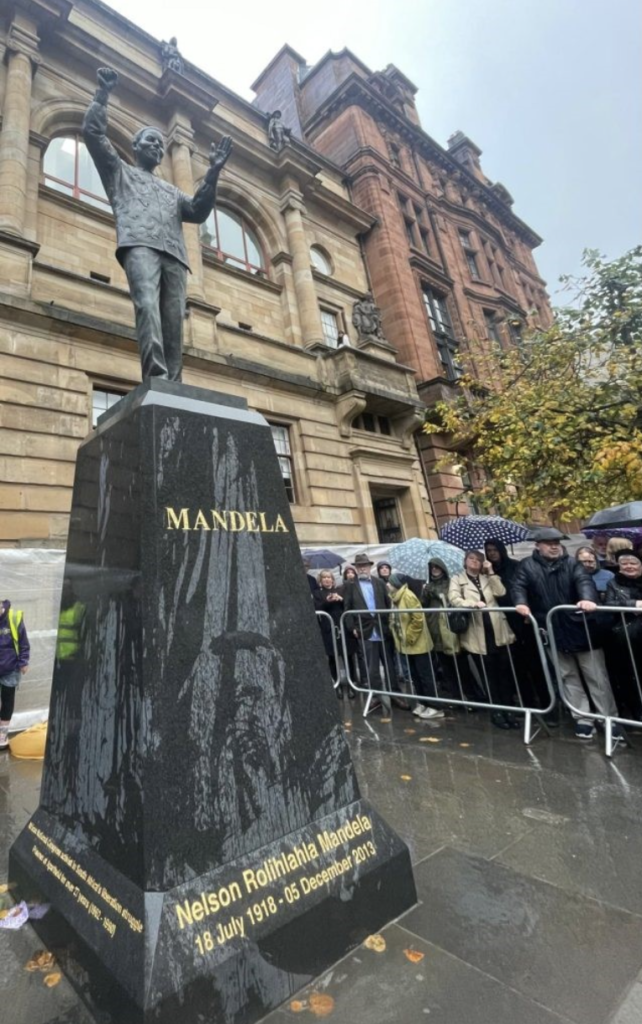
The Nelson Mandela Scottish Memorial Foundation (NMSMF) commissioned the bronze statue which was created by renowned sculptor Alan B Herriot. In tandem, the Foundation also commissioned WOSDEC to develop a learning resource for teachers, using Mandela’s leadership legacy to spark conversations on racial equality, social justice, advocacy and to stimulate classroom conversations about how to create a better & more just society both now and in the future.
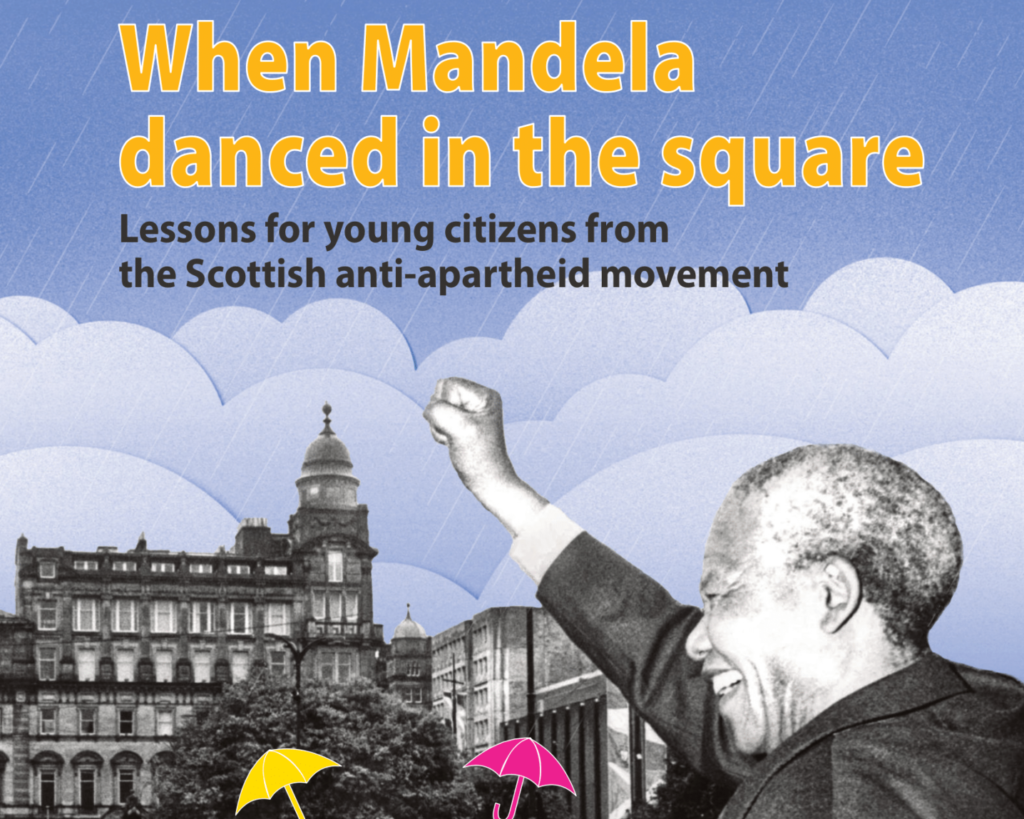
The activities in this resource (titled, ‘When Mandela Danced in the Square’) support second and third level learners to explore Scotland’s connection with Nelson Mandela and feel empowered to take action on issues of importance to them today.
The resource was initially piloted with 8 schools and since its launch it has been used successfully across schools in Glasgow, the West of Scotland and beyond. It supports teachers in engaging with important and essential areas of the curriculum and what can be challenging material to approach with learners.
A Special Moment in Time
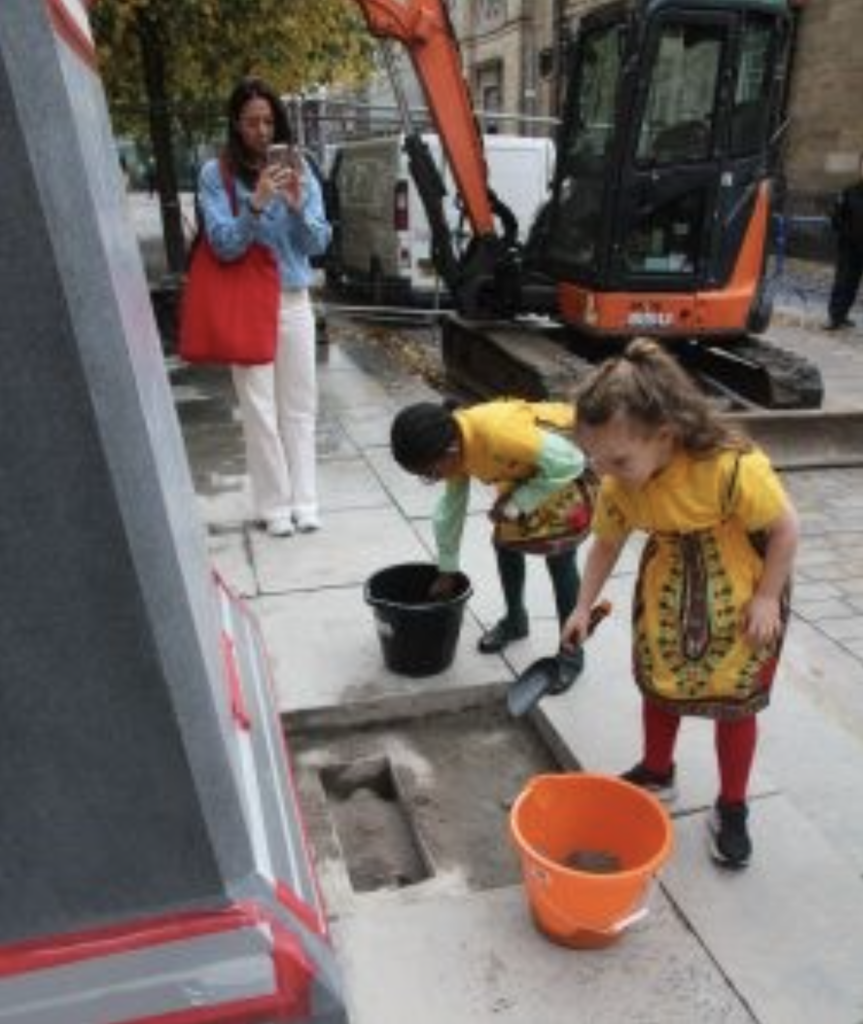
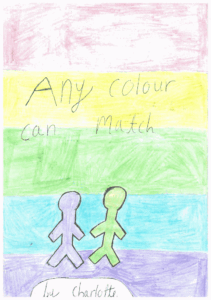
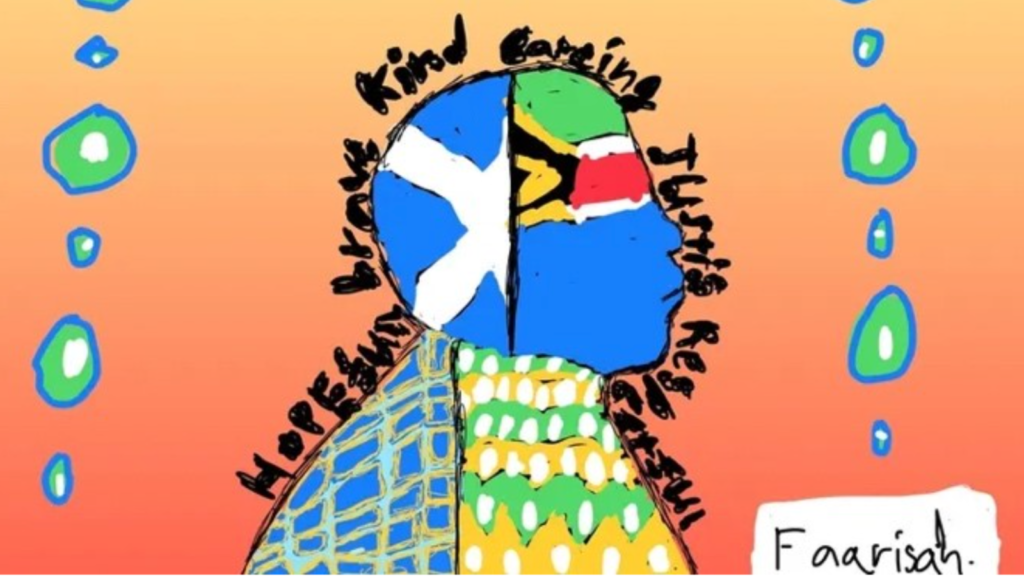
The dialogue has extended beyond the classroom, with children from the original 8 schools invited to use their creative skills to reflect on Mandela’s life and values and to express their hopes and indeed fears about racial equality today and in the future.
The Foundation has been delighted with the collection of amazing artwork, videos, sound recordings and letters which were curated from across the schools and encased within a time capsule buried by a group of school children under the statue.
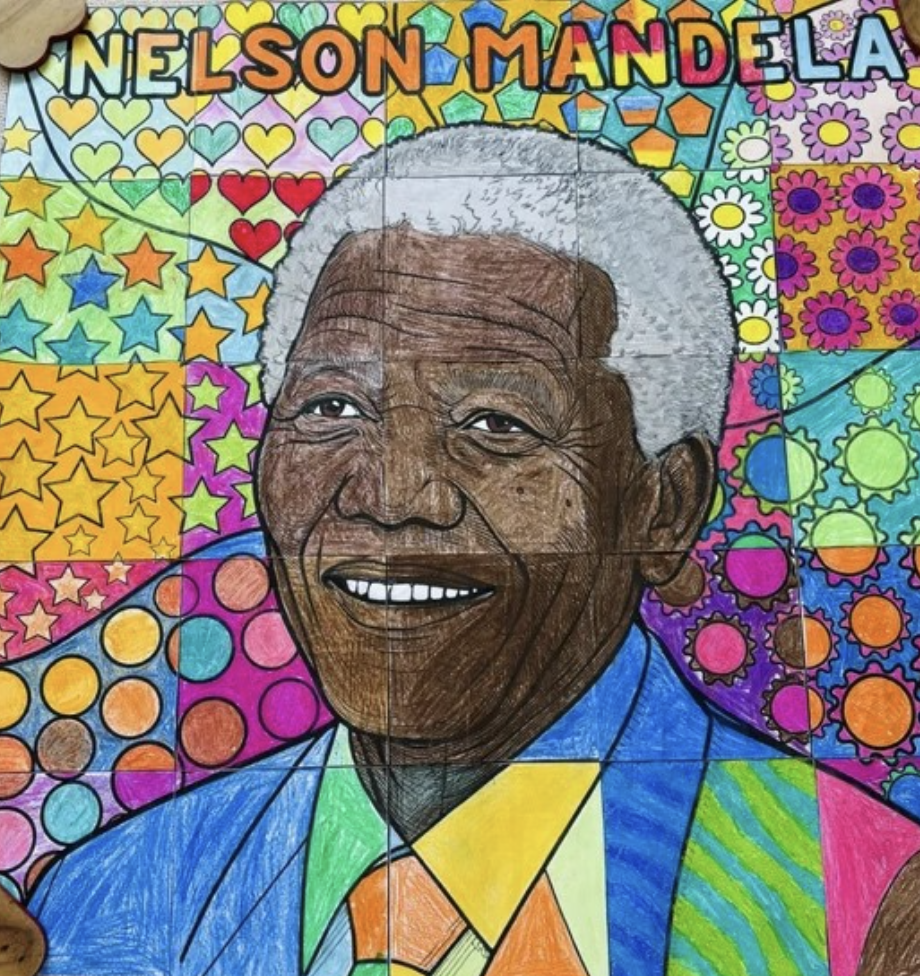
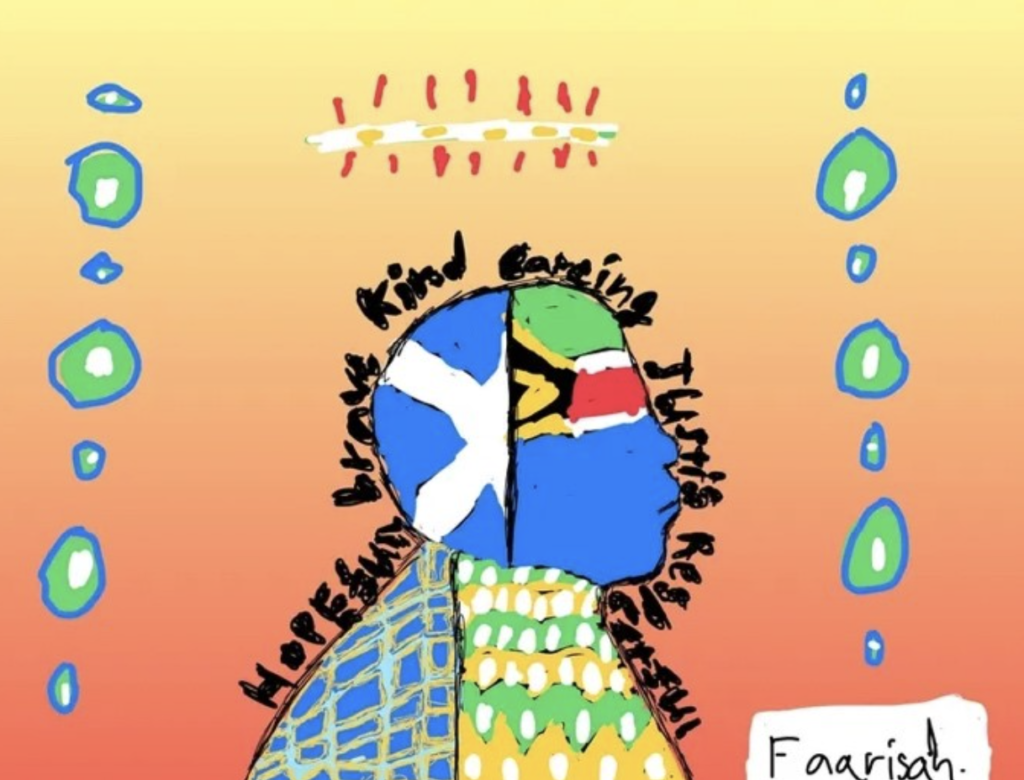
“The children’s exploration of the injustices of the apartheid system and their abilities to apply this context to their own lives and those of their communities is insightful. WOSDEC’s learning resources allow groups to explore the complex and sensitive issues of interpersonal verses institutional racism. We were also impressed by how the resources extended further to help learners identify the characteristics of successful campaigns; techniques for awareness raising; how to constructively challenge injustice and supported learners in the development of their speech making skills. The resources are comprehensive and clearly mapped to curriculum objectives” ….
Janis Carson, Vice Chair NMSMF.
The statue itself is also underpinned by a web-based information portal. Linked through a QR code at the site of the memorial, the public can access examples of the work of the eight schools and connect to contextual historic information on Mandela, as well as further learning resources if they are educators.
The charitable Foundation will build on this portal over the coming year, informed by the needs of the school sector as well as the public in general.
“The NMSMF’s partnership with WOSDEC has helped us to build a strong foundation for our key objective of the advancement of heritage and education. Alongside our work with Further and Higher Education institutions, and with the STUC and teachers Trade Union bodies, we will continue to use the focal point of the new statue and Nelson Mandela’s legacy as a positive catalyst for education around social equality.”
Brian Filling, Chair, NMSMF