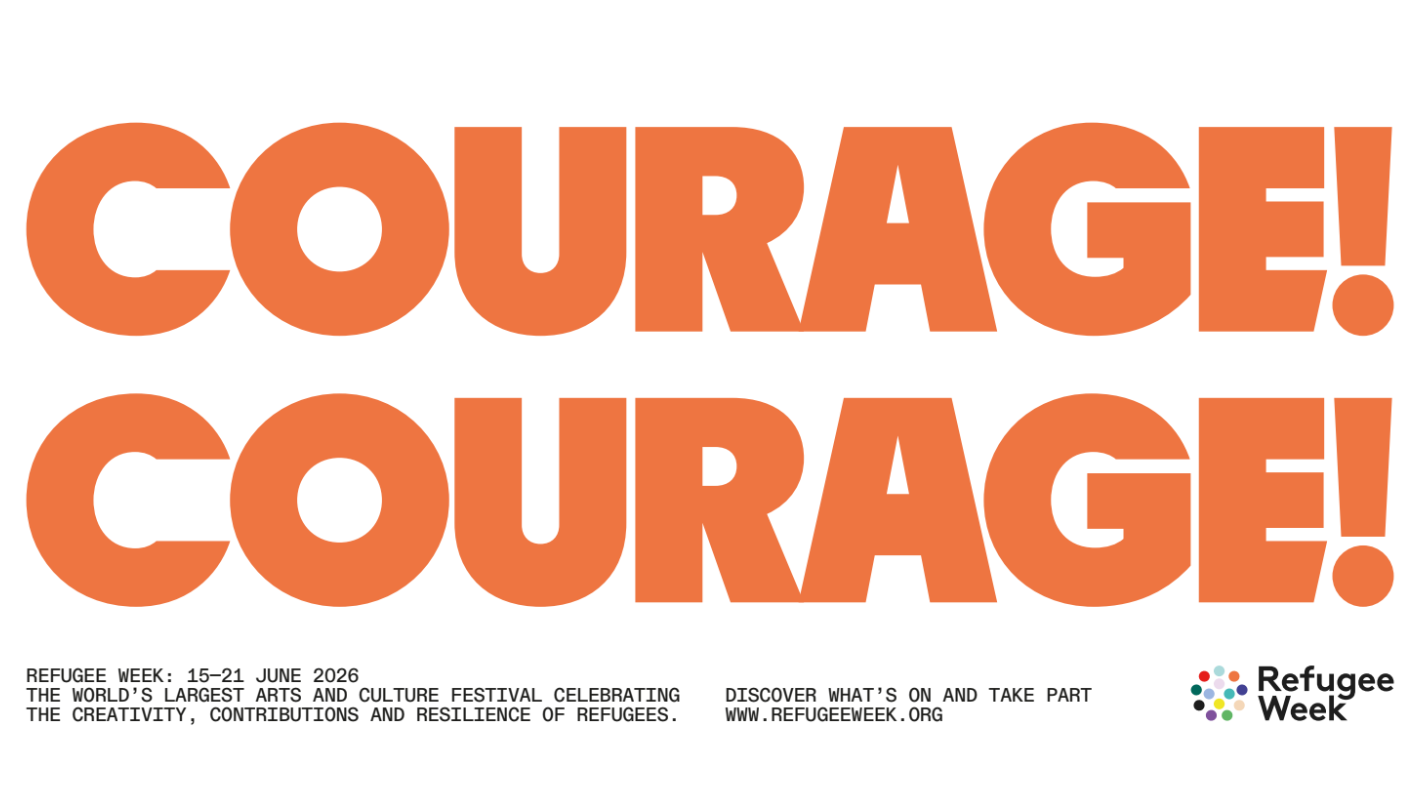
Taking action in schools for Refugee Week 2026
How can global citizenship can help schools challenge misinformation, build empathy, and respond during Refugee Week? Featuring Setareh Bozorgy from Refugee Action.

Swap the System: We don’t just need better products – we need a better system
Fair Trade isn’t just about ethical shopping anymore – it’s becoming a system critique led by young people.

Challenging ableism through teacher-led curriculum change
Annie Christodoulidis explores how teachers can challenge ableism through curriculum change by centring disabled voices and histories.
Democracy Begins in the Classroom
With the upcoming Scottish Parliament elections, there’s a push to get young people registered and ready to vote. Faith Bateman from WOSDEC explores when meaningful engagement with democracy should begin.
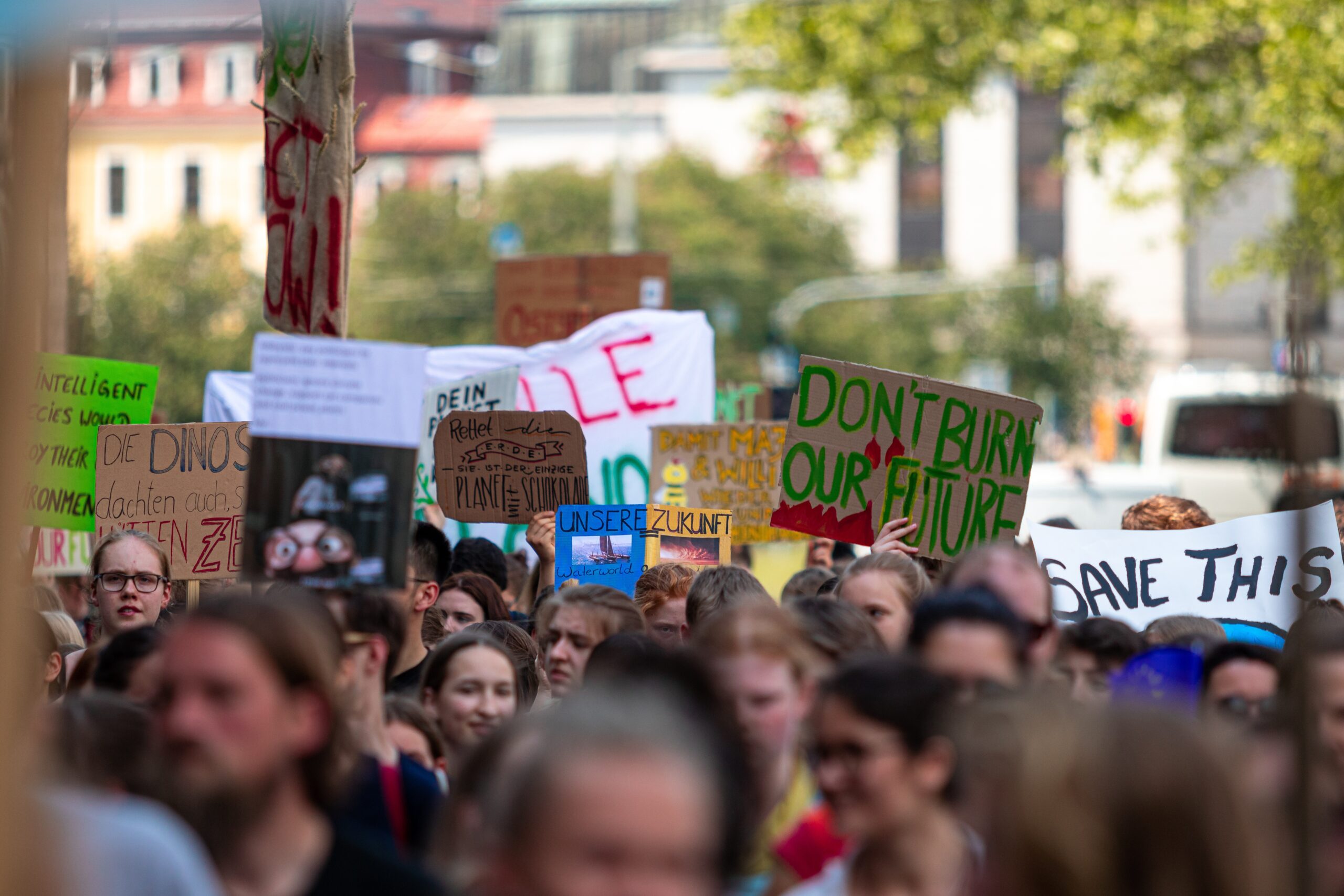
A call to leaders of Scotland’s political parties
In this piece first published by The National, Scotdec Director Charlotte Dwyer makes the case for Global Citizenship Education ahead of the 2026 Scottish Elections.

World Poetry Day: Using the Anti‑Racist Literacy Framework to Teach Any Poem
The new Anti‑Racist English and Literacy Resource on antiracisted.scot offers a clear, curriculum‑linked way to explore poems through an anti‑racist lens.
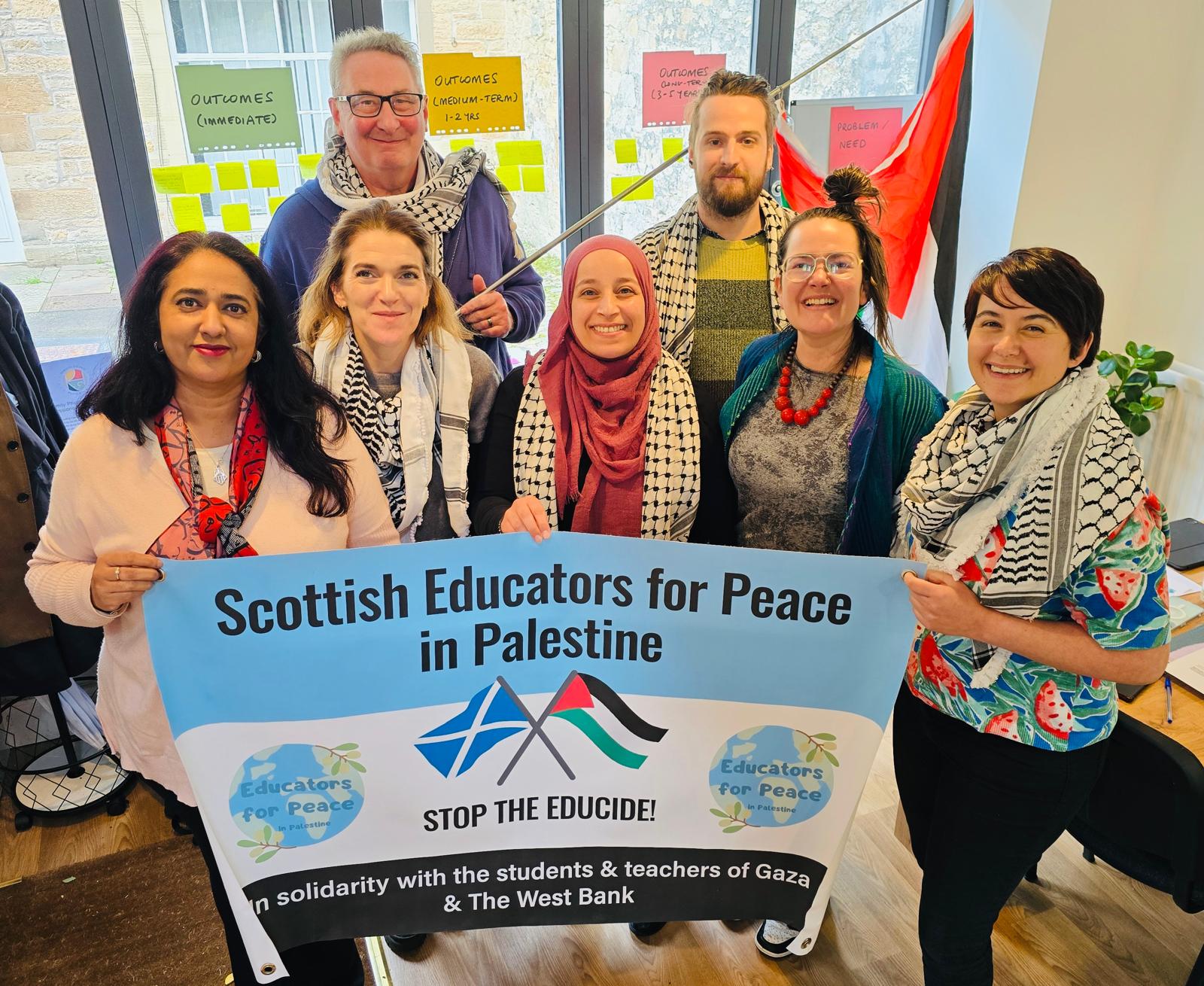
From Neutrality to Peace: responding to the rise of racism
Nuzhat Uthmani, Lecturer in Primary Education at Stirling University, and Committee member of Educators for Peace, argues that neutrality in education is untenable and potentially harmful.
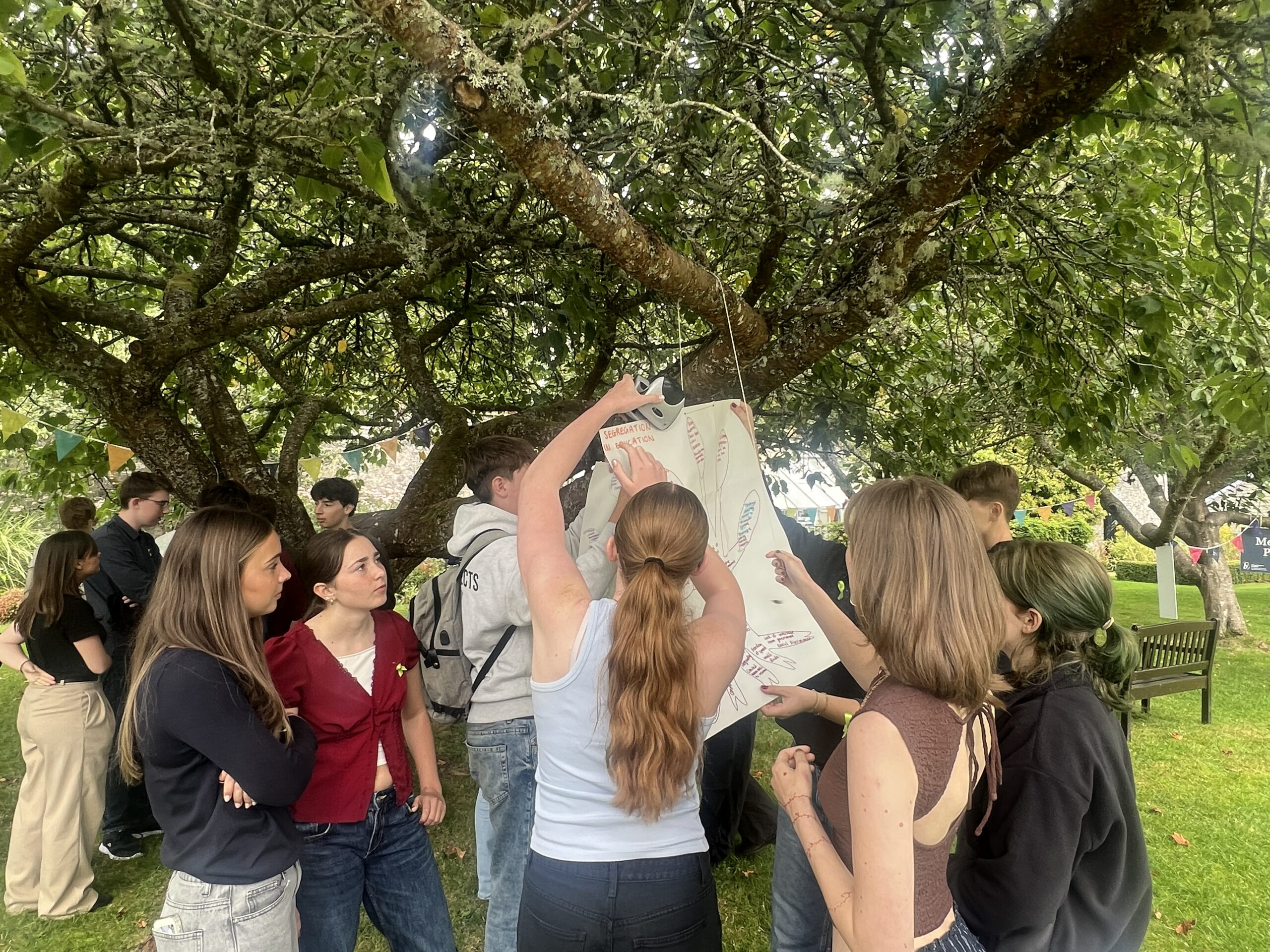
Thinking Beyond Borders
Sarah-Jane from Scotdec reflects on the ways this festival in the Scottish Borders brought young people together to discuss some of the pressing issues of our time.

Translating Global Values into Community Action
MD Rezaur Rahman, PhD researcher and chair of the West Lothian Community Race
Forum, explores how Global Citizenship brings communities together.
Decolonising the Curriculum with Robert Louis Stevenson
Shari Sabeti explains how a Scottish literary icon can help us open conversations about colonialism, culture, and global connections in today’s classrooms.
Media Literacy in the Time of Disinformation
Beki Martin, from Facing History UK, explores the role schools can play in enabling children and young people to navigate falling prey to disinformation.
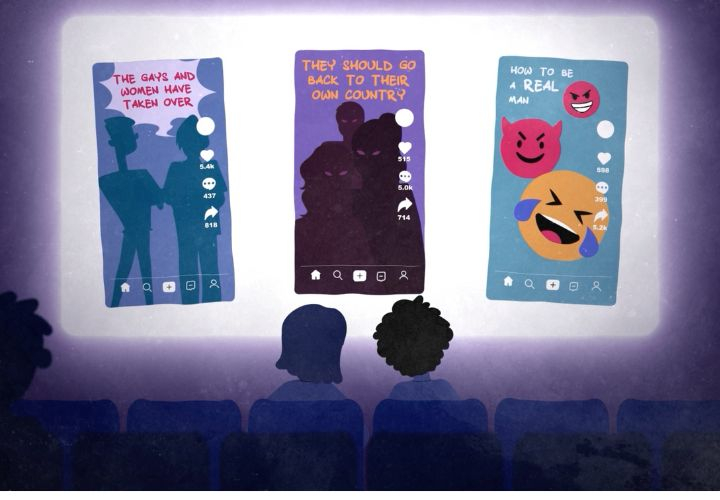
Navigating Online Spaces
Jordan Daly, Co-Founder and Director of Time for Inclusive Education (TIE), outlines a new education initiative supporting teachers and learners to identify disinformation and counter online extremism and hate.
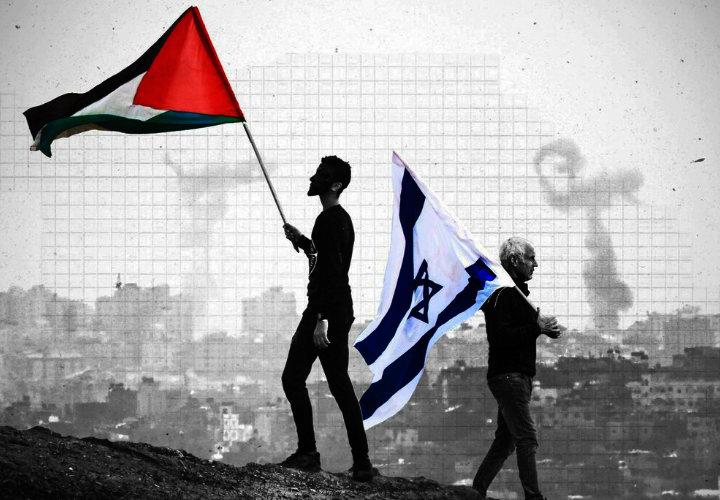
Teach Peace
How do we teach for peace and justice? Ellis Brooks, Peace Education coordinator with the Quakers and Diana Firth, Global Education Advisor with Wosdec, reflect on how we can approach sensitive issues in the classroom.
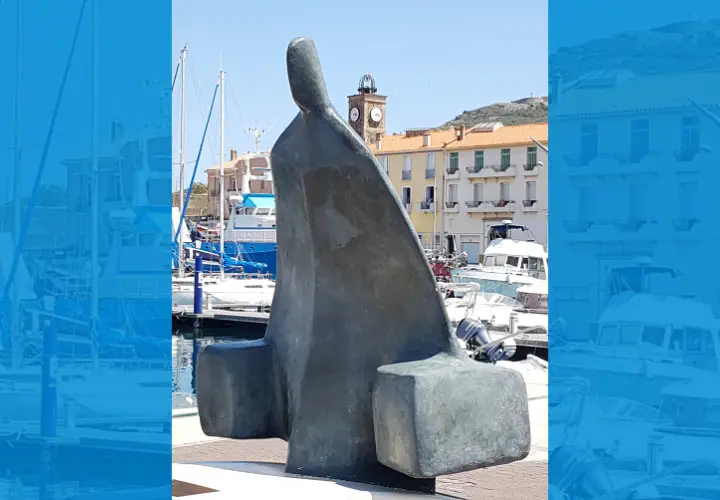
Remembering Empire
Fiona Barclay, from the University of Stirling, shares an innovative approach to teaching French in secondary schools.