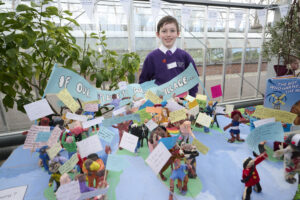

We love this year’s theme for British Science Week! Global citizenship education across all areas of the curriculum encourages young people to ask questions, think critically and be curious about the world around them. We have pulled together 3 methodologies to use during British Science Week 2026 to help learners ask brilliant, curious questions about different STEM topics.
Interrogating Images
Spark curiosity with a carefully chosen image.
- Hide a part and ask learners what they think is missing. What might be happening? How have they formed their ideas about what is hidden?
- Ask learners to put themselves in the picture. How do they feel, where would they be and what might they ask?
- Create questions for the people, objects or places in the image. Hot seat and have friends try to answer the questions or research to find out the answers!
- Ask learners to annotate the picture with speech bubbles or text boxes
- Find brilliant images to use at climatevisuals and Explorify.
- Encourage learners to browse the collections
- to find a STEM image that sparks their curiosity
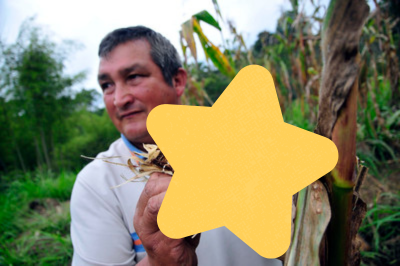
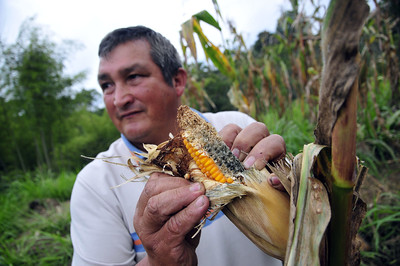
www.climatevisuals.org
A maize farmer with his crop, which has been destroyed by parrots, whose migration patterns have changed and now coincide with the end of the maize season.
Why? Why? Why? Chains
Support learners to think critically and deepen their understanding of a STEM topic or issue by doing what comes naturally to them: asking ‘Why?’
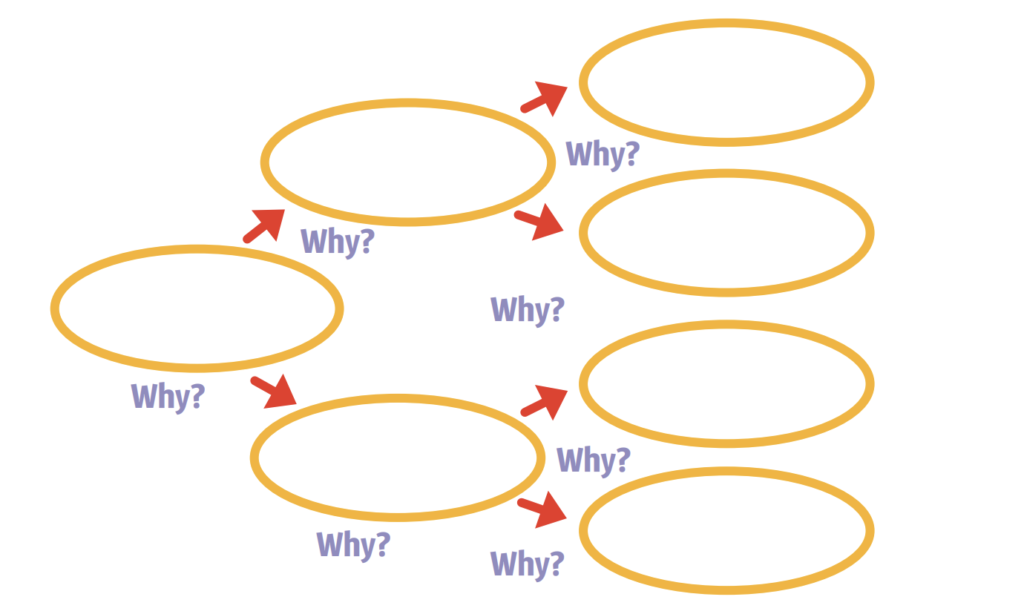
- Create a whole class or group horizontal flow chart. Write an issue in a bubble at the left-hand side of the page related to your STEM topic or curious question. For example, ‘Why are rainforests being cut down?’ or ‘Why are insect species declining in Britain?’- Now ask ‘Why does this issue exist?’ Write down all the direct causes or reasons for the issue in a neighbouring column of bubbles, joined to the main issue with arrows.
- Ask ‘Why?’ again! Why do these issues or reasons exist? What has caused them? Write these ideas in bubbles in a new column to the right.
- Repeat the process as many times as the issue will allow, each time starting a new column to the right of the previous one. The end result is a flow chart which highlights the complexity of an issue and the different scales of causation.
- Think about the bubbles on final column of the chart. Is it fair that this is happening? What can be done to change things?
Development Compass Rose
Encourage 2nd, 3rd, 4th Level learners to question deeply around a topic by creating, categorising and connecting different types of questions.
- Start with a stimulus picture, object or statement and create as many different questions about it as possible, putting each question onto a separate post-it or small piece of scrap paper.
- Sketch a compass with 4 cardinal points. At second level, you could use only the N and S points on the compass. Label the points:
N – Natural
S – Social
E – Economic
W – Who decides? (power)
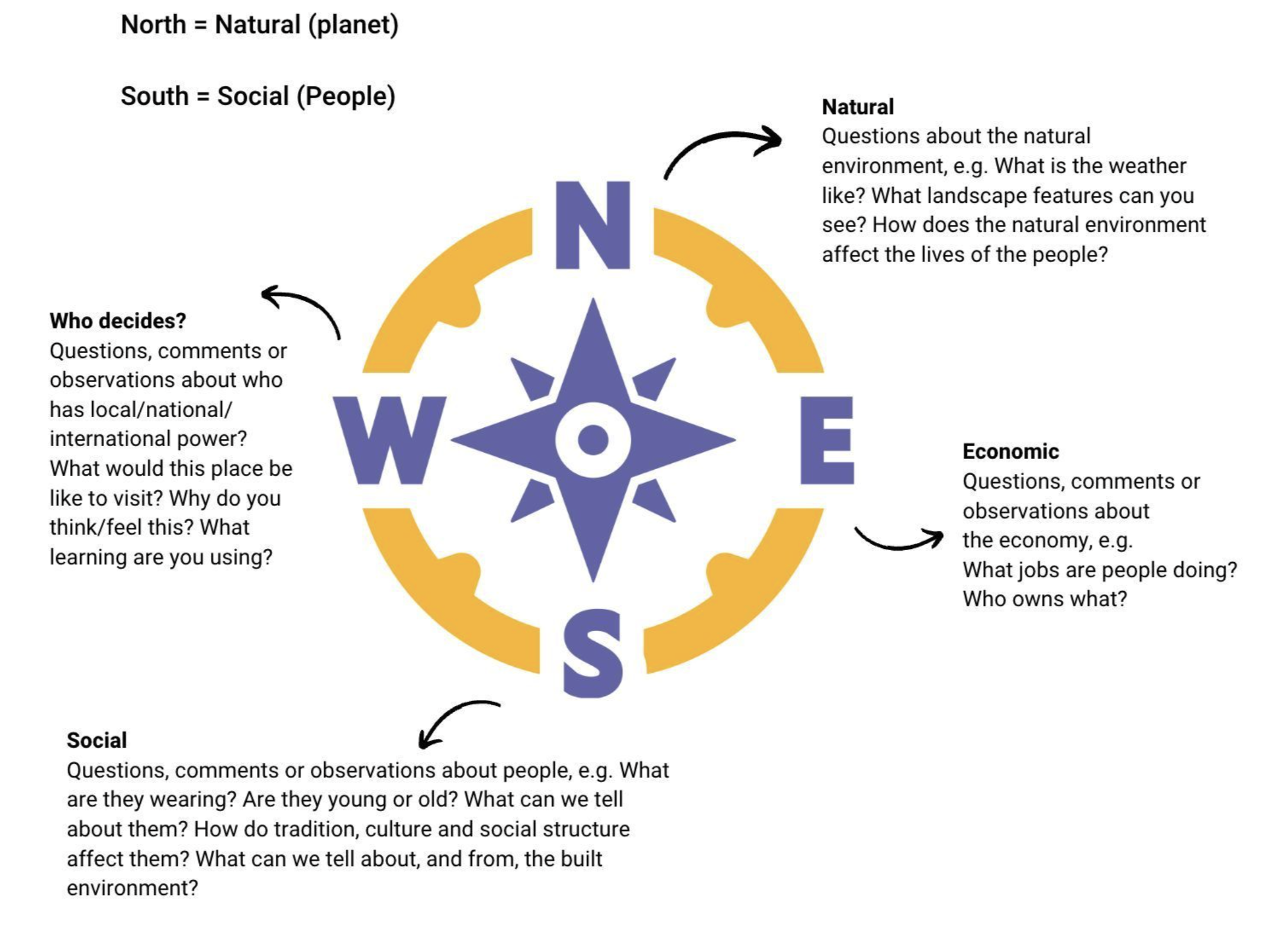
- Sort the questions and place them beside the different points on the development compass. Are there any cardinal points with no/few questions? Why? What research can you carry out? Do some questions belong to more than one point? How do the questions connect? What do you want to find out now?
Find out more about British Science Week 2026.