I was invited to contribute to the development of a new resource, ‘Seeds for Change: Developing Global Citizenship through Play’ to support teachers working with children form ages 3-6 with global citizenship teaching and learning. Although Global Citizenship themes can be complex and seemingly challenging for our youngest of learners, it is important that we recognise that a child’s view on the world and of themselves develops in these early stages. As early years practitioners, we have the opportunity support a child’s first journey of discovering who they are and the world that they live in.
“It is important that we recognise that a child’s view on the world and of themselves develops in these early stages.”
Planting Seeds
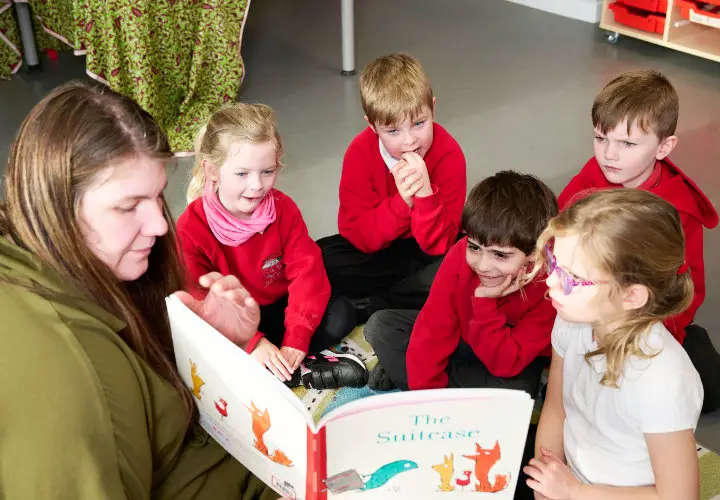
In my classroom, I am passionate about harnessing the power of play for teaching and learning. We know that young children learn best through play. Play can transport children to worlds that are unfamiliar and open doors to new experiences, but it can also allow young children to rehearse and explore the everyday life that they see around them.
As part of the Seeds for Change project, I was given the opportunity to share some of my knowledge about how young children learn and work with the Highland One World team to create a resource that was informative and practical for early years practitioners. This involved creating a provocation toolkit – practical methods for creating “hooks” into global citizenship themes such as gender, anti-racist education and nature connection.
“Play can transport children to worlds that are unfamiliar and open doors to new experiences.”
Developing Hearts, Heads and Hands
During the creation of the Seeds for Change resource, I was able to explore some of the themes with my own P1/2 class. For example, using the global citizenship framework for play, I planned experiences and provided resources in my classroom (art supplies, role-play props, books) which had a positive impact in the way that the children were able to express their identity and engage in conversation about the identity and culture of their peers. As a result, the pupils in my class began to ask more questions and make comments that showed they were not only making connections across their learning, but also making connections between themselves and others.
“Pupils’ confidence and self-esteem have grown as a culture of community and belonging has been nurtured in our classroom.”
I have also witnessed deep and meaningful conversations around race and gender which I do not believe would have occurred without the use of carefully planned provocations and adult interaction. Furthermore, some pupils’ confidence and self-esteem have grown as a culture of community and belonging has been nurtured in our classroom.