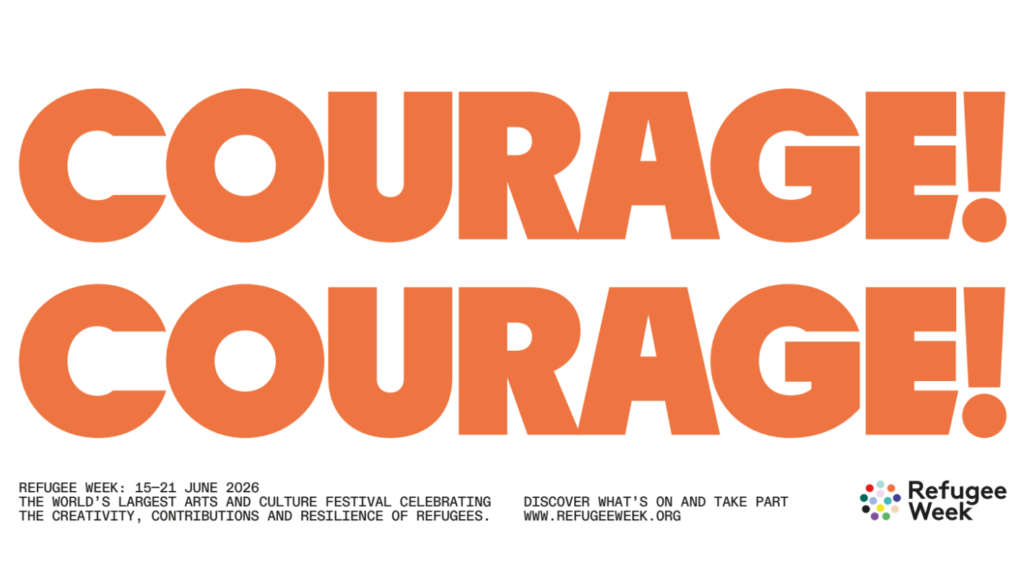
In recent weeks, public conversation around refugees and people seeking asylum has felt hostile. Traditional media headlines trade in fear and social media warps big, complicated realities into pointing fingers and blame culture. Even here in Scotland, a place that usually prides itself on welcome, we have seen how quickly misinformation can spill over into anger and, at times, violence on our streets. As a school communities, how can we respond?
Global Citizenship has a key role to play – it is about how we understand one another, how we respond to injustice, and how we act in the face of misinformation. Refugee Week offers an opportunity to do that.
Understanding the reality behind the headlines
Seeking asylum in the UK is not easy, as Setareh Bozorgy from Refugee Action explains: “Many people wait years for a decision on whether they can stay, and during that entire period are unable to work, leaving them dependent on around £7 a day to cover all their basic needs.”
During this time families often have no say in where they live. Many are placed in temporary accommodation – including hotels and even military barracks: “places that aren’t designed for refugee children who will need to do homework, make friends, or simply feel comfortable to grow.”
The consequences are significant. “Over half the families Refugee Action worked with had spent more than six months in hotels, and nearly three quarters were experiencing mental health difficulties.”
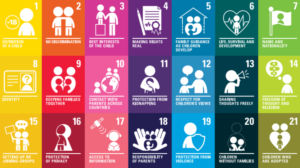
For children and young people in school in Scotland, understanding that this is a reality for some of their classmates – and people they may walk past in the street every day – is a key part of global citizenship: understanding inequality, recognising human rights, and seeing beyond simplified narratives.
Building empathy as a global citizenship skill
At the heart of global citizenship is empathy – the ability to understand experiences beyond our own.
Schools play a vital role here. Setareh highlights the importance of “creating space for empathy” in the classroom. This doesn’t require complex resources. Simple reflective activities like this – such as asking pupils what home means to them, or how it might feel to arrive somewhere completely new – can open meaningful conversations. These moments help pupils move from passive consumption of media narratives to active, critical thinking – a core global citizenship skill.
Hearing directly from others is also powerful. “Inviting a speaker with lived or learned experience into the school always lands stronger,” Setareh notes. This makes global issues – that might seem hard to wrap your head around feel real.
Challenging misinformation in a complex world
A central pillar of global citizenship education is the ability to question misinformation and engage critically with the world.
One common myth is that the UK receives overwhelming numbers of refugees. In reality, less than 0.3% of the UK population is made up of refugees and people seeking asylum, and most displaced people remain in countries neighbouring their own.
Another misconception is that seeking asylum is illegal. Setareh explains, “claiming asylum is a recognised right under the 1951 Refugee Convention, and there is no such thing as an illegal refugee.”
The language used in public discourse matters. Describing people as “illegal” – particularly those arriving by small boat – oversimplifies a much more complex global issue. With few safe and legal routes available, many people are left with no choice but to take dangerous journeys. Crucially, under international law, people have the right to seek asylum regardless of how they arrive.
By combining facts with human stories, schools can help pupils navigate these complexities and build up informed, compassionate global citizens.
Taking action during Refugee Week
Global citizenship is also about action – however small. One simple but powerful activity recommended by Refugee Action is inviting pupils to write messages of welcome.
For younger children, reflecting on their favourite things about where they live can spark conversations about belonging and identity. For older pupils, activities such as exploring personal stories, engaging with sanctuary-focused resources, or writing to their MP connect empathy with civic participation.
Refugee Action also offers primary and secondary school packs, full of lesson ideas, videos, and real-life stories to support this work.
Why this matters now
At a time when public narratives can encourage division and blame, schools always remain one of the most important spaces for nurturing understanding. Global citizenship education is not just about learning about the world – it is about learning how to respond to it. It equips young people to question harmful narratives, stand up for human rights, and recognise our shared humanity. Refugee Week is a reminder that these lessons are urgent, relevant, and deeply human.