Sometimes in life, the stars align, offering valuable opportunities to make a difference. In the winter of 2024/5, such an alignment occurred in my Primary 4 classroom. Inspired by the work of Anti-Racist Leader Angel Hinkley, I introduced a number systems lesson by asking where the class thought numbers came from. Faced with the story of the Ishango Bone – the world’s first known evidence of counting, dating back 20,000 years and originating in modern-day Democratic Republic of Congo – the children were outraged to learn it is held in the Royal Belgian Institute of Natural Sciences.
What I expected to be a quick lesson introduction became a complex discussion about power, history and ethics. I had just managed to steer things back to place value when a question came from the back: “Are there other things like that? Important things taken away and not returned?” Clearly, we had a lot of learning ahead.
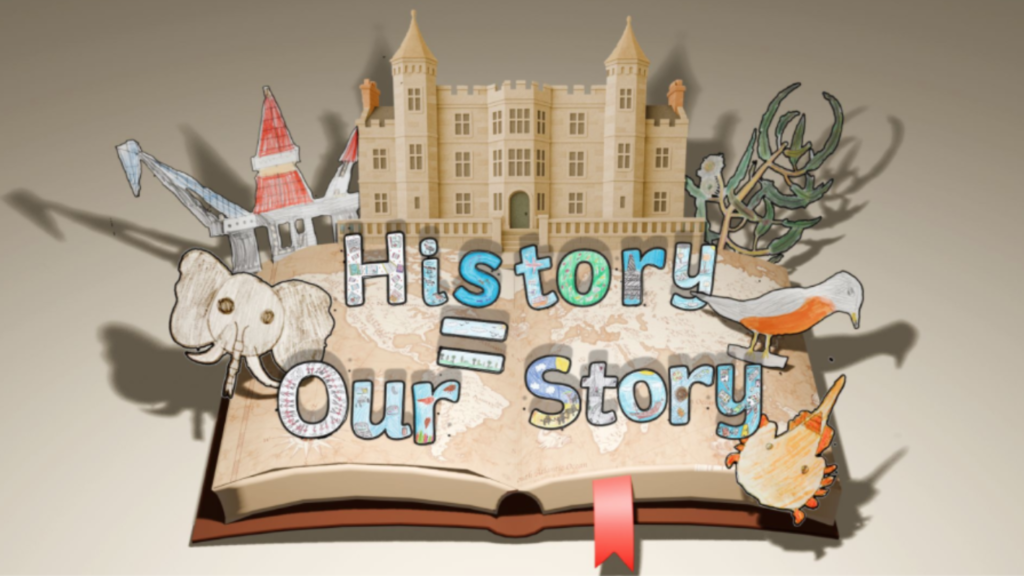
That same week, I was contacted by Noel Griffin, Digital Project Officer at the Watt Institution, who invited me to work on a project exploring the museum’s collection through a decolonial lens. With funding secured, we selected items for the class to study. Some were closely linked to Inverclyde – such as sugar and shipbuilding – while others, including ivory bracelets, eucalyptus and the Passenger Pigeon, told stories from farther afield. Though seemingly distant, all were connected to our colonial past.
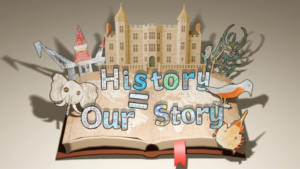
We brought the collection to life by exploring the human stories behind the artefacts and helping children connect them to their own lives. With Noel’s animation expertise and my focus on decolonising the curriculum, we co-created an animated film for the museum’s permanent collection. The children developed everything – scripts, voiceovers, models and promotional materials – while all areas of the curriculum were taught through this interdisciplinary project over a term, with strong parental support.
Alongside this, I was working with Scotdec on the Anti-Racist Critical Literacy Framework, which we piloted to deepen our learning. Using carefully paired texts such as Little House on the Prairie and The Birchbark House, we explored contrasting perspectives on settler colonialism and revisited the story of the Passenger Pigeon. The Framework helped us decode historical language, analyse what we saw and thought, and critically consider what could be changed in the texts. We also examined photographs and drawings to uncover marginalised voices. Together, we created a thought-provoking resource aiming to influence both viewers and the young filmmakers themselves.
So, what have been our successes? The children’s confidence in public speaking has grown significantly. Their willingness to share ideas and consider different perspectives has become a key life skill. As one child said, “We are telling stories that people tried to hide. That matters.” Their reading age increased beyond expectations, with some – including reluctant readers – improving by nearly two years. Most importantly, they are now genuinely critical thinkers who make connections between their learning and the wider world.
My hope is that, as they grow, this will equip them with the skills and conviction to do better than those before us and help safeguard our future with knowledge too often overlooked.