At Dunard Primary, children’s rights are at the heart of everything we do. As a Rights Respecting School, we are committed to ensuring that our learners understand not only what their rights are, but why they matter. This year, as we celebrated Dunard’s 125th birthday, there was a unique opportunity to deepen this understanding by exploring children’s rights through the history of our own school.
When Dunard first opened its doors in the 1900s, childhood looked very different. Many of the protections and opportunities that children enjoy today did not exist. Our P6 learners were challenged to investigate what life may have been like for children attending Dunard in the Victorian era and to compare this with their experiences as pupils in a modern Rights Respecting School.
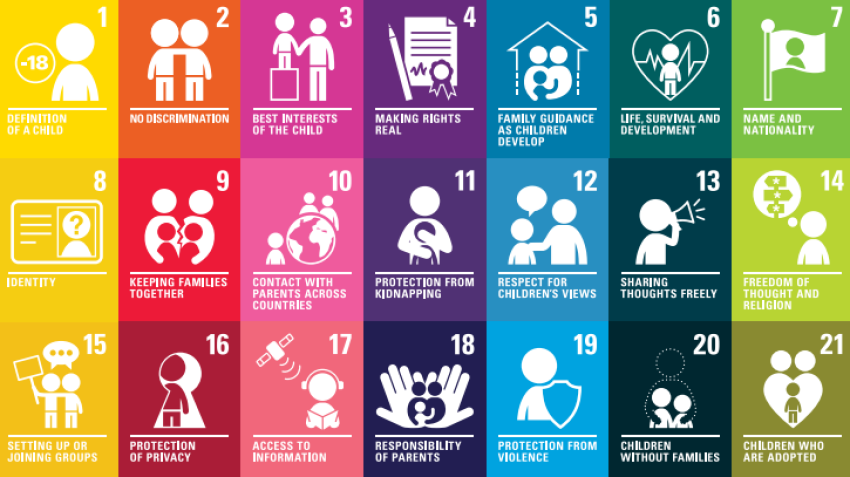
Using five key articles from the UNCRC, pupils explored education, child labour, health, living conditions and play, comparing the experiences of Victorian children with their own lives today. Throughout the project, pupils worked as historians, researchers and rights advocates. They analysed historical photographs, explored local history through Gallus Glasgow maps, debated important questions about fairness and equality, and compared the lives of Victorian children with their own. Crucially, they began to understand how rights protect children and help them thrive.
“I really enjoyed comparing our lives and getting to experience what life was like for children when Dunard opened by taking part in a Victorian classroom day.”
Dunard primary pupil
The impact on learners was significant. Many were surprised to discover that children their own age once worked long hours in dangerous conditions, had limited access to education and often lived in overcrowded housing. Through discussion and reflection, pupils developed empathy and a deeper appreciation of the rights they experience every day. They also recognised how Dunard has evolved over the last 125 years and how children’s experiences at school have changed for the better.
As one pupil explained:
“I was surprised to see how much is different now. I was shocked that children didn’t have rights in the Victorian era”
Dunard primary pupil
Another learner reflected on the importance of the UNCRC:
“I now know more about why we need children’s rights and why they are so important”
Dunard primary pupil
Learners also recognised how rights have contributed to greater equality and opportunity for children today.
One pupil commented:
“Girls and boys aren’t treated differently anymore because our rights are all respected equally. We get to experience so much more now at school.”
Dunard primary pupil
The project culminated in a family learning showcase entitled Children’s Rights: Glasgow Then and Now. Visitors were welcomed by pupils who brought Victorian and modern childhood to life through a dramatic introduction comparing the experiences of children then and now.
Families were then given a Rights Passport and invited to visit a series of interactive stalls linked to different UNCRC articles. At each station, pupils acted as experts, guiding visitors through hands-on experiences linked to their learning. Families experienced Victorian schooling, factory work, health and housing challenges, and traditional playground games through a range of interactive activities led by pupils.
The showcase not only celebrated learning but also provided pupils with a valuable opportunity to share their knowledge with others. Reflecting on the event, one learner said:
“I really enjoyed our showcase to families and it was fun to tell our families stuff they didn’t know. Some were surprised at what we were telling them.”
Dunard primary pupil
By connecting local history, children’s rights and Dunard’s own story, the project helped learners understand how childhood has changed over the last 125 years. As Dunard celebrates this milestone, our P6 learners have developed a deeper understanding of the past, a greater appreciation of their rights and a stronger awareness of the importance of protecting the rights of all children.