Two teachers share how they explored global issues with their pupils, from challenging perceptions of African countries to investigating overfishing.
Teachers have a lot to balance – individual learning targets, literacy, numeracy and everything else that comes with teaching, there’s already plenty to fit into the school day. But exploring global issues doesn’t necessarily mean adding something new – it can be woven into the learning that’s already happening in the classroom.
For Emma Godwin, an ASN teacher at St Andrews School in Inverurie, Global Citizenship Education had often been something squeezed into events every so often, such as Comic Relief. At Thurso High School, Karen Gunn found her starting point in a question her pupils were already asking: why are there fewer fish in the sea, and why is fish so expensive?
Both teachers recently completed Learning for a Better Future, a year-long professional learning course offered by Scotland’s Development Education Centres. They chose very different topics but their experiences offer some really interesting insights into how global issues can be explored in ASN classrooms.
Starting with what pupils know (or think they know!)
Emma teaches at St Andrews School, a complex needs provision for pupils aged 3 – 18. Following feedback from the school’s Rights Respecting Silver Award, she wanted to give Global Citizenship Education more space in the curriculum.
Through conversations with her pupils, Emma noticed some held stereotypical ideas about countries in Africa. She decided to explore these perceptions, starting with a simple activity: showing pupils a selection of photographs and asking which they thought could have been taken in an African country. What they didn’t know was that every photograph was from Africa.
The activity opened conversations about the continent’s diversity. The class went on to compare photographs of schools with their own experiences, discovering similarities as well as differences. One pupil was surprised to learn that some schools in Africa charge fees, having previously imagined classrooms with mud floors and 50 pupils.
Emma also noticed changes in how pupils participated – for example, one non-verbal pupil had become accustomed to taking part mainly in sensory activities. During the topic, she encouraged him to contribute to discussions and share his opinions, giving him the time and support to do so.
“Although it took him a while to contribute, his answers and contributions were brilliant. Expectations had been raised.”
For Emma in her ASN setting, making the learning accessible meant building understanding gradually, incorporating sensory activities and allowing extra time for discussion.
Three of her pupils use electronic communication devices, and she initially worried that pre-loading vocabulary might limit what they could say. Instead, she found that having more words available helped pupils express their ideas more fully and respond to one another’s views.
When a question about fish becomes a whole topic
For Karen, who teaches ASN pupils at Thurso High School, the starting point came directly from her class.
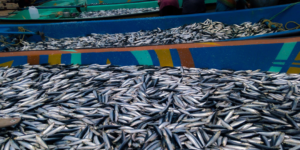
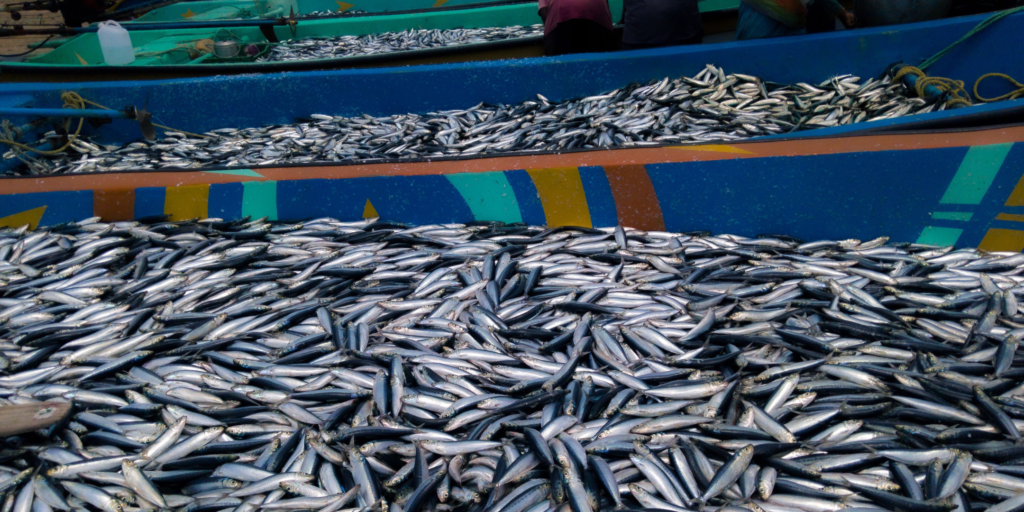
Her pupils wanted to know why there seemed to be fewer fish in the sea and why fish was becoming more expensive. Karen used their questions to begin exploring overfishing, connecting something relevant to their local area with a wider environmental issue.
One activity that worked particularly well was an issues tree. Pupils used the roots to explore the causes of overfishing, the branches to identify its effects and green leaves to suggest possible solutions.
As they learned more, they kept returning to the tree, adding new information and ideas.
“This seemed to help them grasp the topic and take some ownership of the learning, as they kept adding to the tree as we progressed.”
Karen found that the topic created opportunities for discussion that weren’t always possible through more traditional written activities. Pupils could share their ideas, ask questions and show different sides of their personalities.
“It was great to do a topic which people outside of the class were not expecting my learners to do and which helped break down these preconceptions and prejudices.”
The experience has also made Karen think differently about what her pupils might achieve academically. Having seen their engagement with the topic, she’s now considering whether this approach could help some progress from National 1 and 2 qualifications towards National 3.
It wasn’t always straightforward – sometimes Karen needed to revisit the basics before moving forward, but she found that trying different approaches and giving pupils more opportunities to discuss their learning made a real difference.
When pupils want to take it further
One thing that stood out for both teachers was that their pupils didn’t necessarily want to stop once the planned teaching had finished.
At Thurso High School, Karen’s class became so interested in overfishing that they wanted to tell others about it. They began making keyrings and preparing an awareness-raising stand for parents’ night.
“They know now, so they now want to spread the word.”
At St Andrews School, Emma’s pupils have been thinking about organising a beach clean, while the school’s outdoor learning teacher has started incorporating some of the issues into her own lessons.
Emma also reflected on one pupil who uses a wheelchair and how his confidence in contributing to his community has developed over the past four years. Where he might once have said he couldn’t help his local community he now has his own Facebook page and is campaigning to save the local skatepark!
“My kids are beginning to learn that they can make a difference.”
Taking ideas back into the classroom
For both Emma and Karen, Learning for a Better Future was an opportunity to try new approaches and exchange ideas with other teachers.
Emma particularly valued hearing what others were doing and finding ways to adapt their ideas for her pupils while Karen described leaving course sessions “bouncing” after sharing experiences with like-minded colleagues. Their starting points were simple: photographs that got pupils talking, and a question about fish that developed into a wider investigation. Neither Emma of Karen needed a completely new set of resources or an involved project – they both started with something their pupils could connect with and adapted activities to suit their learners and then built on the questions and conversations that followed.
Find out more about Learning for a Better Future
Learning for a Better Future is a year-long professional learning course offered by Scotland’s Development Education Centres, supporting teachers to explore Global Citizenship Education and develop approaches they can use with their own learners.