
The early years are a critical time in shaping children’s understanding of themselves, others and the world around them. Developing inclusive, anti-racist practice at this stage is key to ensuring all children feel seen, valued and respected.
In the Scottish Borders, this work has grown from a strong foundation in children’s rights and practitioner collaboration.
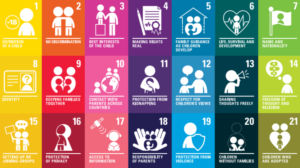
In 2024, the Early Years Teacher Team, alongside the Young Persons Engagement Lead and colleagues from The Promise Team, worked in partnership with Scotdec to deliver professional learning focused on the UNCRC. This was met with high engagement and led to the creation of a shared Padlet space, supporting practitioners to continue sharing practice and resources.
Through this work, a clear next step emerged: practitioners were keen to develop greater confidence in embedding diversity and anti-racist approaches within their everyday practice.
From professional learning to practice
In response, we worked with Scotdec to deliver a two-part programme of career-long professional learning (CLPL) focused on anti-racist education at early level.
A key focus was ensuring that learning extended beyond the sessions themselves. Practitioners explored the national resource and reflected together as teams, considering questions around representation, voice and the messages shared within their settings.
Alongside this, settings used self-evaluation prompts from the new Quality Improvement Framework linked to Nurturing care and support to reflect on how children and families experience inclusion, belonging and representation.
Practitioners highlighted the value of this approach:
“I always enjoy Scotdec led sessions – they are welcoming, informative and feel like a safe collaborative space.”
This combination of professional learning, reflection and ongoing support enabled practitioners to identify meaningful next steps within their own contexts.
What this looks like in practice
Across settings, practitioners have translated this learning into everyday experiences for children.
Many have reviewed and enhanced their environments, introducing a wider range of diverse books, imagery and play resources. Approaches such as ‘mirrors and windows’ have supported children to see themselves reflected in their setting while also learning about the lives of others.
Settings have also strengthened engagement with families, creating opportunities for parents and carers to share their cultures, experiences and traditions. This has supported a stronger sense of identity and belonging for children.
One practitioner shared:
“The training was very informative and provided opportunities to network and share practice between settings. We found the audits particularly useful… Through making these small changes we’ve already seen children becoming more curious about the wider world and developing language to support skills for global citizenship.”
– Izzy Archenhold, Early Years Practitioner, Lauder Primary School
Another practitioner reflected:
“We have put our anti-racism training into practice by actively promoting an inclusive and respectful environment where every child feels valued and represented. This has included improving and sourcing a wider range of diverse books, images and resources, alongside team discussions to build confidence in challenging stereotypes and biased language.
We have encouraged parents and carers to share their experiences and cultural celebrations, supporting children’s understanding of differences and strengthening their sense of identity and belonging.
Using ‘mirrors and windows’, we have created more inclusive play spaces that reflect a range of identities and experiences.”
– Alison Melrose, St Margaret’s RC Primary School
Recognising impact
The impact of this work is already being seen across settings.
Inspection feedback highlights how this professional learning is supporting meaningful change in practice. At Lauder Primary School, inspectors noted:
“Staff were empowered to take on leadership roles within the service. For example, staff led initiatives on the UNCRC, racial equality and literacy, resulting in children benefiting from ambitious and motivated staff committed to achieving the best outcomes.”
Settings are also ensuring that a range of cultures are represented in everyday experiences, including through stories, music and play.
These examples demonstrate how professional learning, when combined with practitioner leadership and collaboration, can lead to meaningful and sustainable change.
Looking ahead
This work continues to evolve. Through ongoing collaboration and a shared commitment to children’s rights, we are working to ensure that diversity and anti-racist practice is embedded meaningfully across early years in the Scottish Borders.
At the heart of this work are practitioners—reflecting, adapting and leading change within their settings to ensure all children feel seen, valued and included.